
High School Speedo Jokes Land Adults in Hot Water
- Funny
- Offensive
May 15th, 2026 – The controversy surrounding boys water polo programs in California’s Inland Empire intensified this week after reports surfaced detailing allegedly inappropriate jokes made about players’ Speedos, bodies, and team traditions. What may once have stayed confined to locker rooms and pool decks has now exploded into a broader debate over bullying, sexualized humor, and sports culture in high schools.
According to parents and students discussing the issue online, some of the jokes allegedly included comments about “checking package sizes,” ranking players based on how they looked in their Speedos, and teasing athletes whose suits were considered too revealing. Other reported remarks allegedly involved players being told to “stuff the suit,” comments about visible tan lines, and repeated references comparing certain athletes to “male strippers” or “Chippendales at the swim meet.”
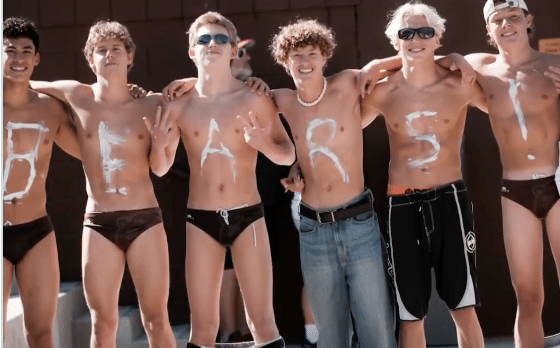
The post caught the attention of Temecula Valley Unified School District Board President Dr. Joseph Komrosky and board member Jennifer Wiersma, both part of the board’s conservative majority elected in late 2022.
“Speaking of dress code…are our teams now an ‘OnlyFans’ crew? Hats off to the kids that kept their pants on,” Wiersma wrote in an Instagram story that reposted the image, though with black covering the boys’ swimsuits.
Wiersma later apologized, saying that she hadn’t understood the circumstances of the swimsuit display.
Komrosky took to his own Instagram account, writing that if the water polo players wanted to support the baseball team, they should do so while looking like professionals.
“My concern is that I do not want them to look like they’re in a sexually provocative strip tease, looking like they’re one step close to the Chippendales,” he wrote. “We don’t need that in our school district, in our community.”
Several parents claimed the humor became especially uncomfortable when jokes were made publicly around teammates, spectators, or younger students. In some accounts, players were allegedly mocked over body shape, weight, or physical development. Critics argue the repeated sexual nature of the comments crossed a line from immature humor into humiliation and harassment.
Defenders of the teams say outsiders are misunderstanding the culture of competitive water polo, where tight Speedos have long been standard uniforms and joking about them has historically been common among athletes. Former players from Southern California programs note that teasing about tiny suits, awkward tan lines, and “Speedo confidence” has existed in the sport for decades. Some alumni insist the current backlash reflects changing social standards rather than uniquely shocking behavior.
But many parents say intent no longer matters once students feel embarrassed or targeted. Several community members questioned why similar comments would likely trigger immediate disciplinary action in a classroom setting but are sometimes tolerated in athletic environments under the guise of team bonding.
The controversy gained momentum after screenshots and retellings of the jokes spread across local social media groups, where reactions ranged from outrage to mockery. Some online users treated the scandal as absurdly overdramatic, while others argued it exposed deeper issues involving hazing and toxic sports culture.
School officials have reportedly declined to discuss specific allegations publicly because minors are involved, though some districts are said to be reviewing athlete conduct policies and expectations for coaches. No formal findings or disciplinary outcomes have been widely released as of now.
The scandal reflects a growing national tension in youth sports: balancing longstanding traditions and locker-room humor against evolving standards around bullying, consent, and respectful behavior. In the social media era, jokes that once disappeared after practice can now spread instantly — turning a few comments by the pool into a full-blown public controversy.